Develop Graph-Driven AI Technologies Graphs serve as a universal, cross-disciplinary language for modeling complex systems

Source Codes & Softwares

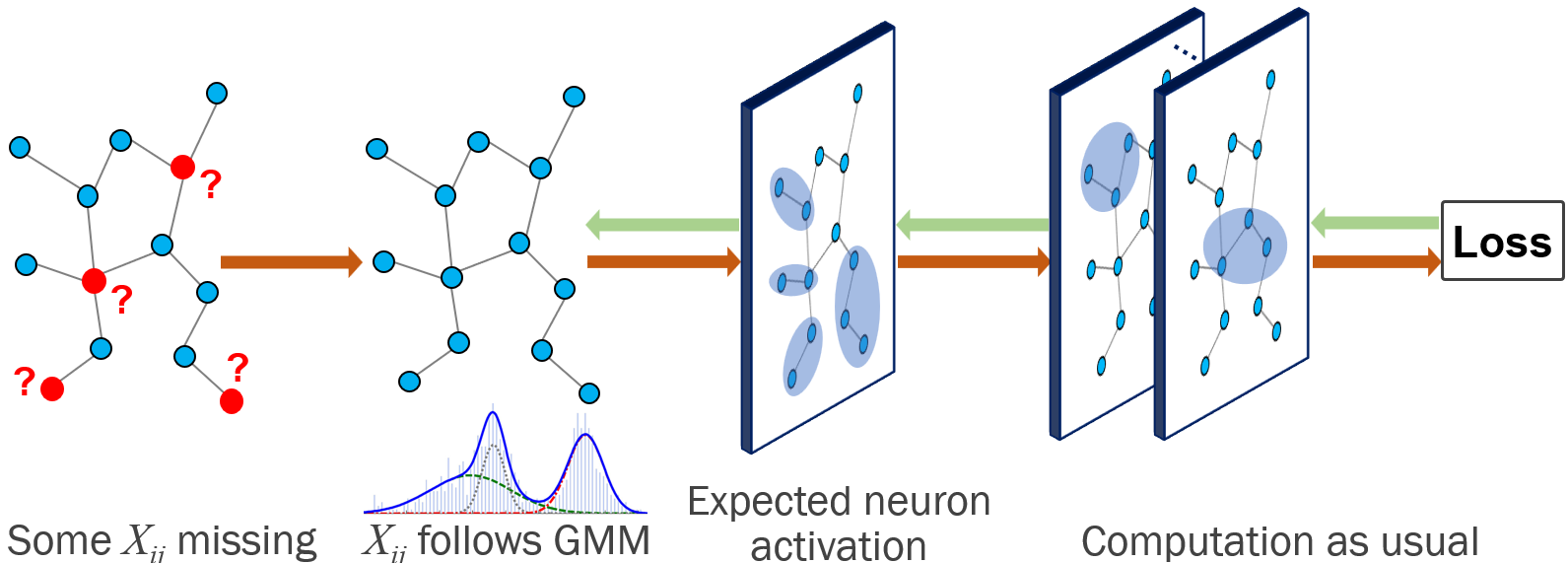
Graph convolutional networks for graphs containing missing features

GCN variant that handles missing features by modeling them with a GMM and computing expected activations in the first hidden layer

Hibiki Taguchi, Xin Liu, and Tsuyoshi Murata

Future Generation Computer Systems, vol.117, pp.155-168, 2021
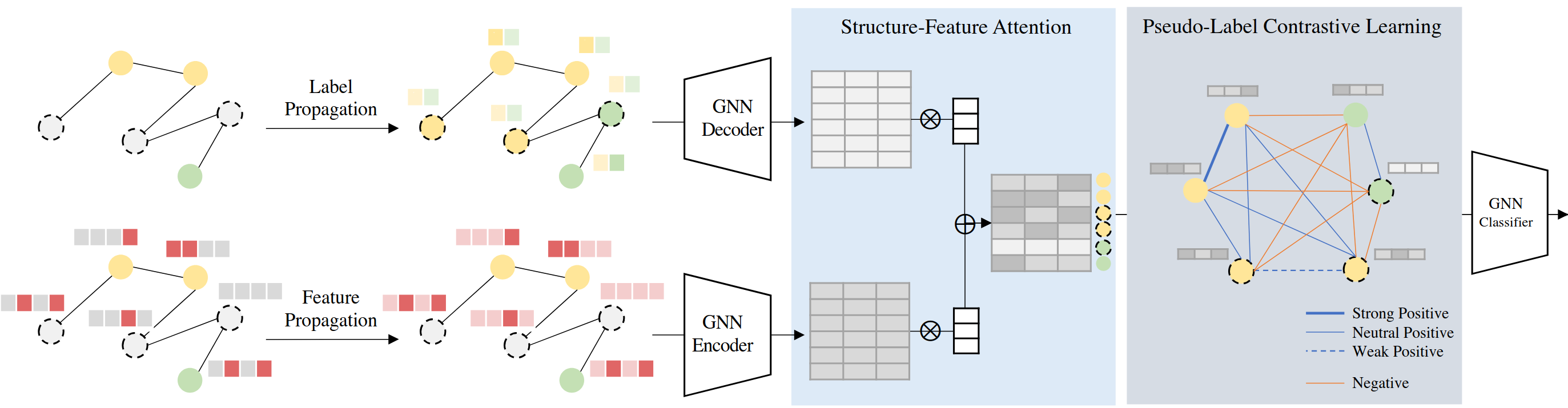
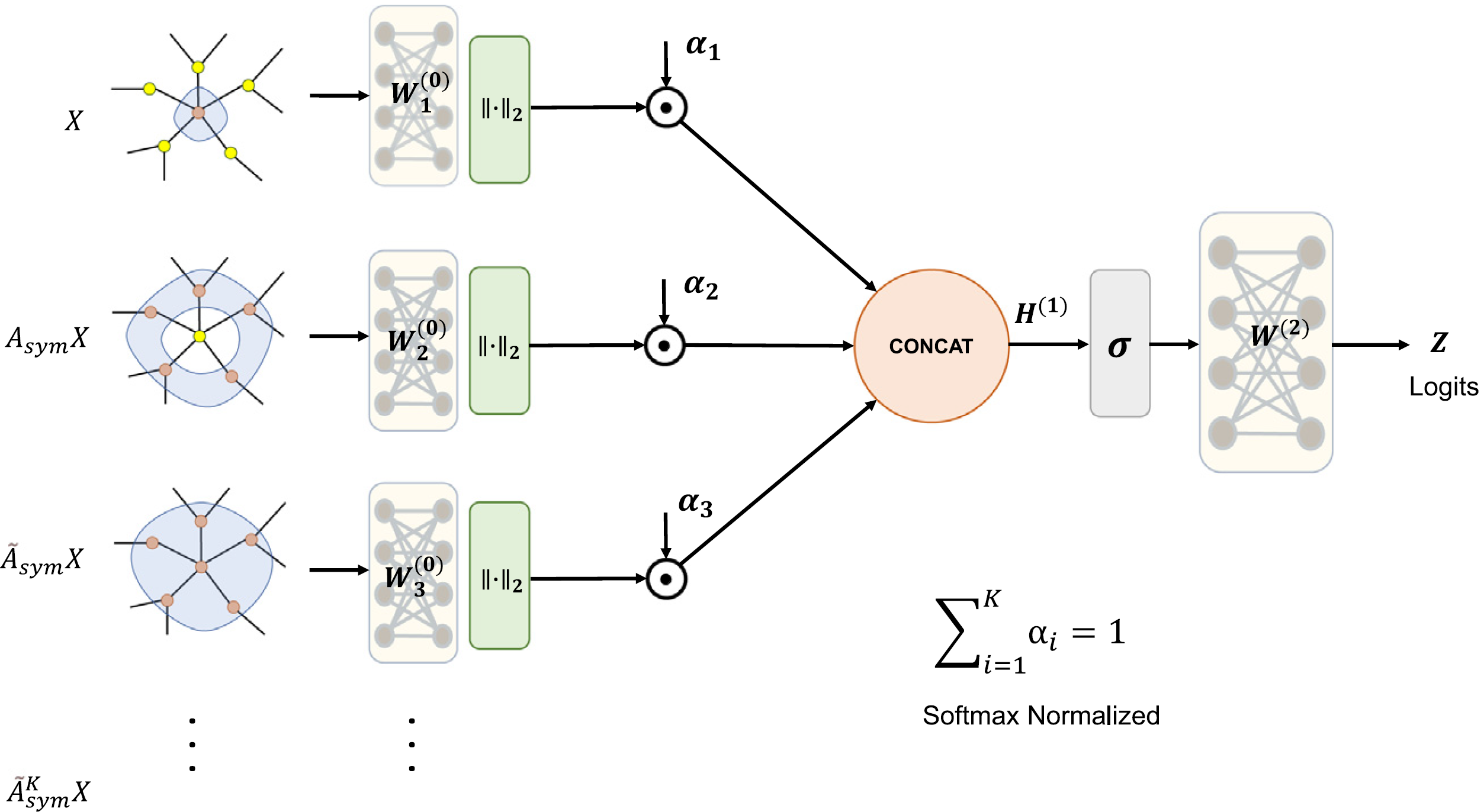
A new hybrid model for learning on graphs with missing features

An approach that fuses the classic structure-based label propagation and the modern GNN-style feature propagation

Sukwon Yun, Xin Liu, Yunhak Oh, Junseok Lee, Tianlong Chen, Tsuyoshi Murata, and Chanyoung Park

KDD 2025, pp.3704-3715

Graph neural networks for fast node ranking approximation

GNN-based inductive model which uses constrained message passing of node features to approximate betweenness centrality

Sunil Kumar Maurya, Xin Liu, and Tsuyoshi Murata

ACM Transactions on Knowledge Discovery from Data, vol.15, no.5, article 78, 2021

Feature-selection-based simplifying approach to node classification in graph neural networks

A simple and shallow GNN architecture that decomples feature aggregation and representation learning

Sunil Kumar Maurya, Xin Liu, and Tsuyoshi Murata

Journal of Computational Science, vol.62, 101695, 2022

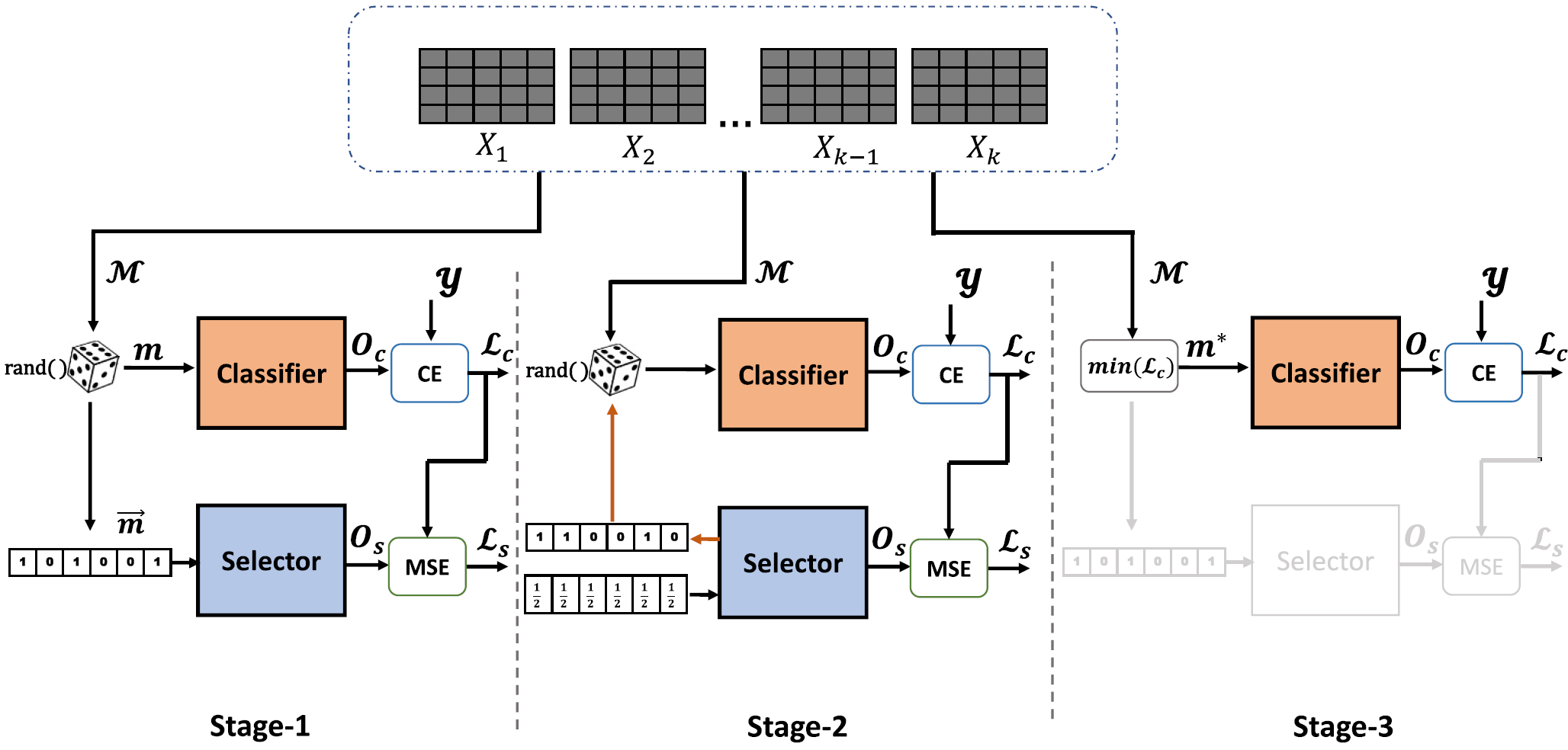
Feature-selection enhanced graph neural networks for node classification

A dual-net GNN architecture to learn the optimal subset of node features for better performance of the classifier on the node classification task

Sunil Kumar Maurya, Xin Liu, and Tsuyoshi Murata

CAAI Transactions on Intelligence Technology, vol.8, pp.14-28, 2023

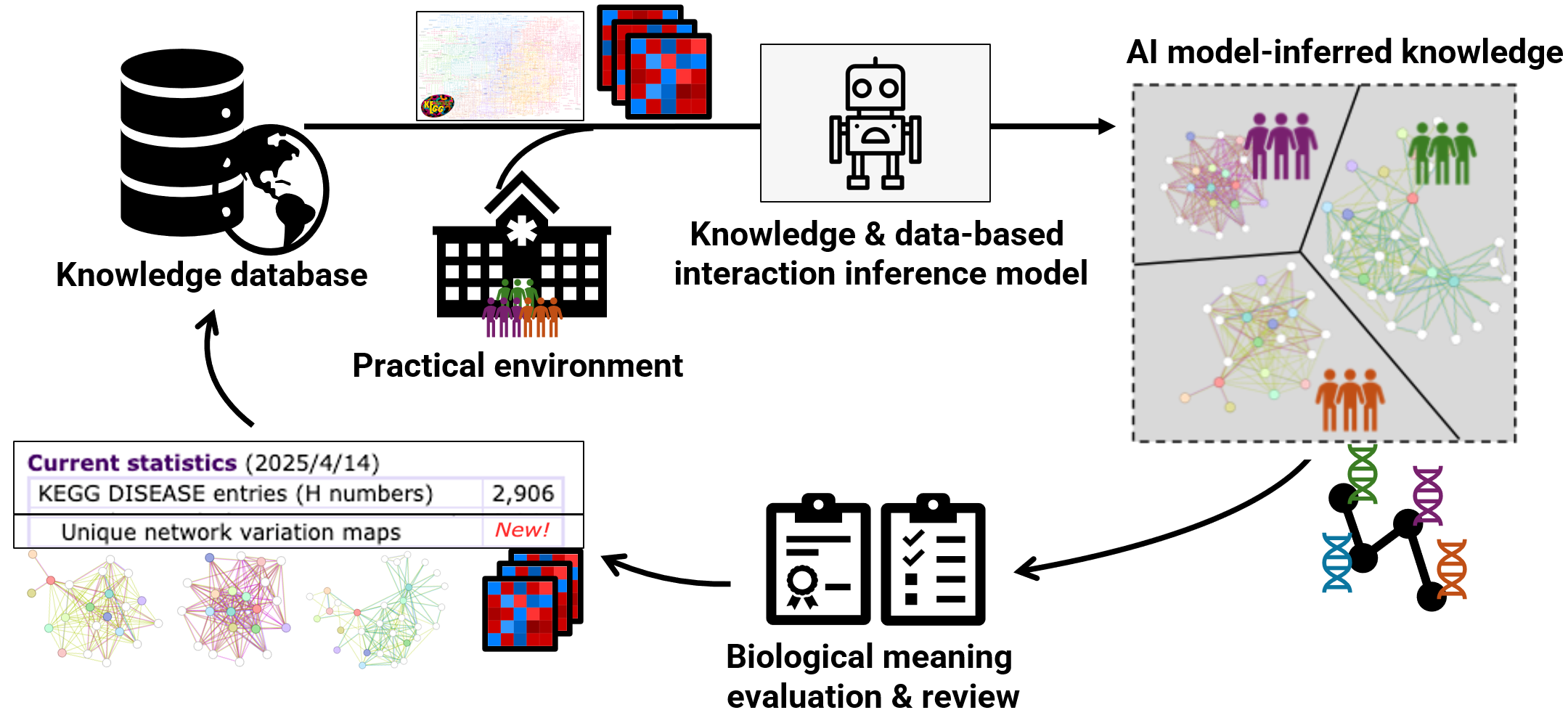
Inferring subtype-specific gene interaction networks

A graph-based approach that integrates patient gene-expression profiles and prior gene-interaction networks to generate disease-subtype-specific gene networks

Ziwei Yang, Zheng Chen, Xin Liu, Rikuto Kotoge, Peng Chen, Yasuko Matsubara, Yasushi Sakurai, and Jimeng Sun

CIKM 2020, pp.685-694

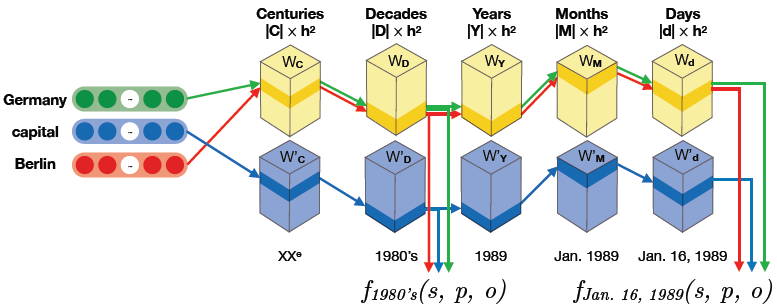
Temporal knowledge graph embeddings with arbitrary time precision

A flexible temporal KGE approach that adapts entity and relation embeddings to arbitrary time points by dynamically adjusting base representations according to temporal granularity and historical context

Sunil Kumar Maurya, Xin Liu, and Tsuyoshi Murata

CIKM 2020, pp.685-694

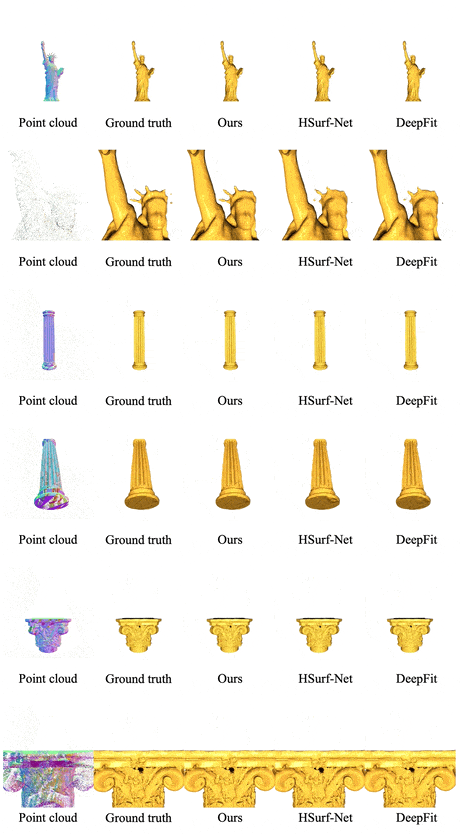
Multi-scale edge-conditioned normal estimation for 3D point clouds

A method that treats variations in surface normals as geometric edge signals

Haoyi Xiu, Xin Liu, Weimin Wang, Kyoung-Sook Kim, and Masashi Matsuoka

CIKM 2020, pp.685-694

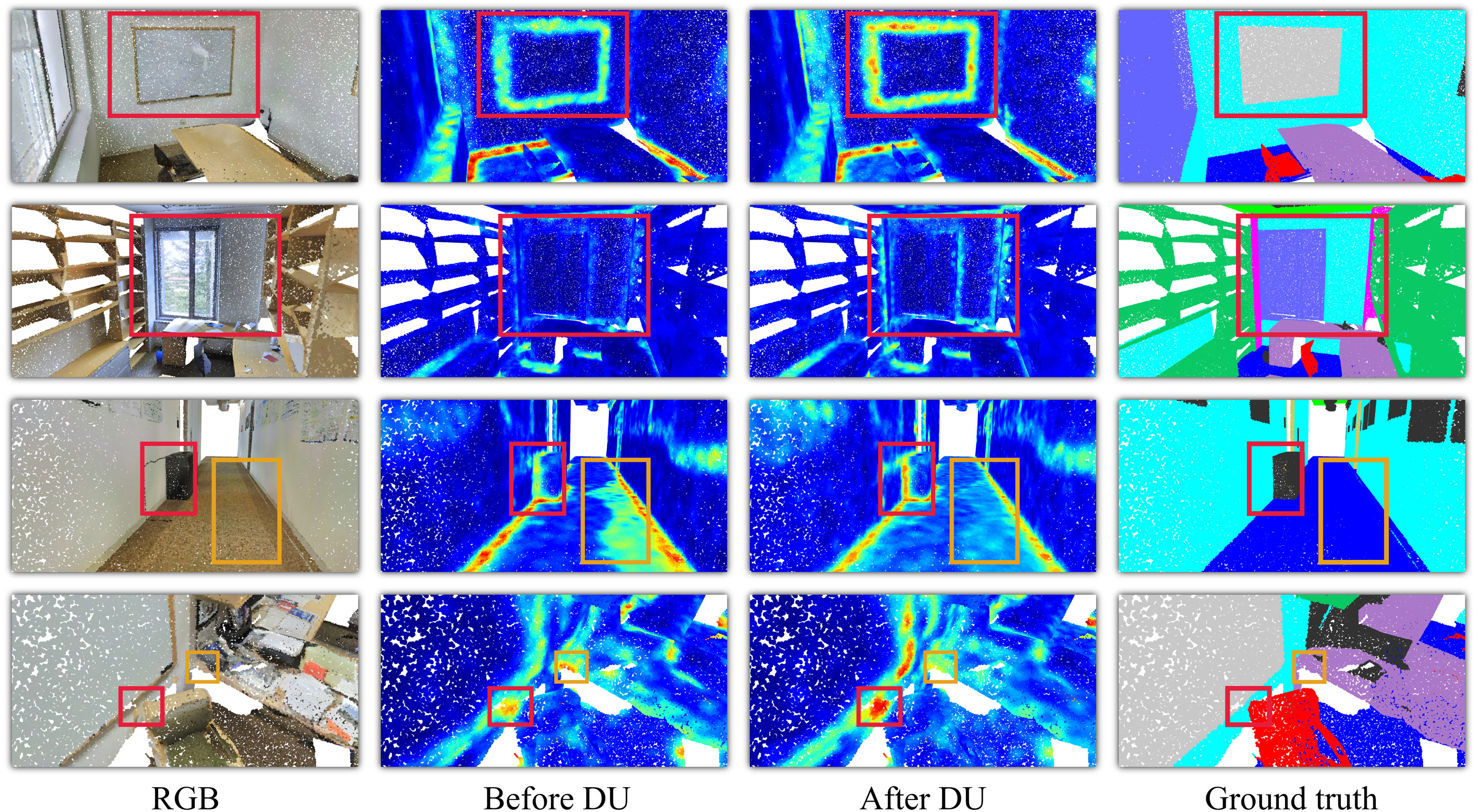
Edge-aware learning for 3D point cloud segmentation

A diffusion-inspired module that learns to enhance task-relevant edges and suppress unhelpful discontinuities in point clouds

Haoyi Xiu, Xin Liu, Weimin Wang, Kyoung-Sook Kim, Takayuki Shinohara, Qiong Chang, and Masashi Matsuoka

CIKM 2020, pp.685-694

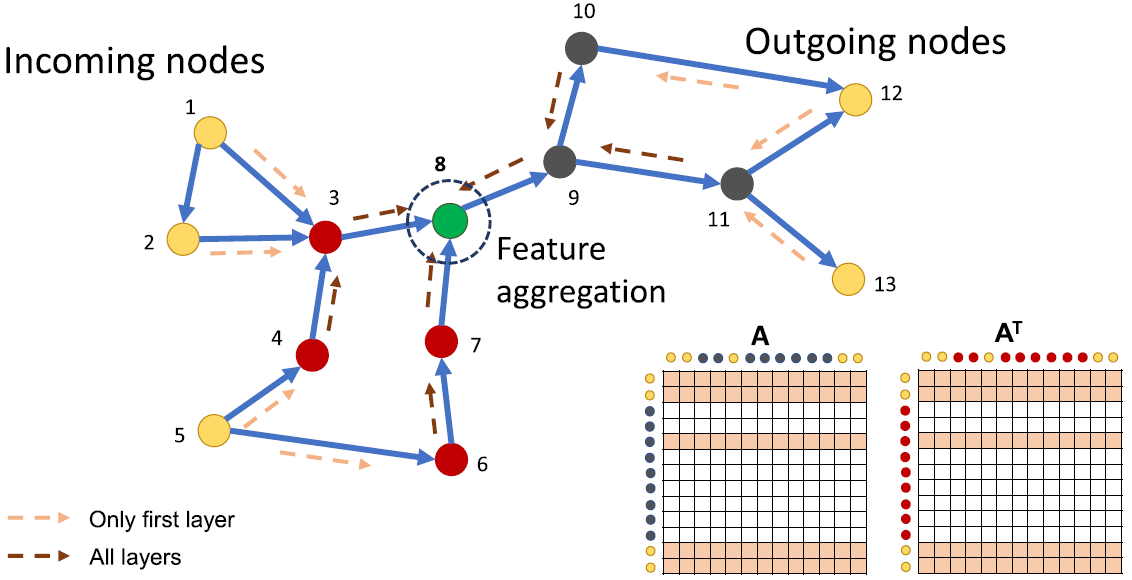
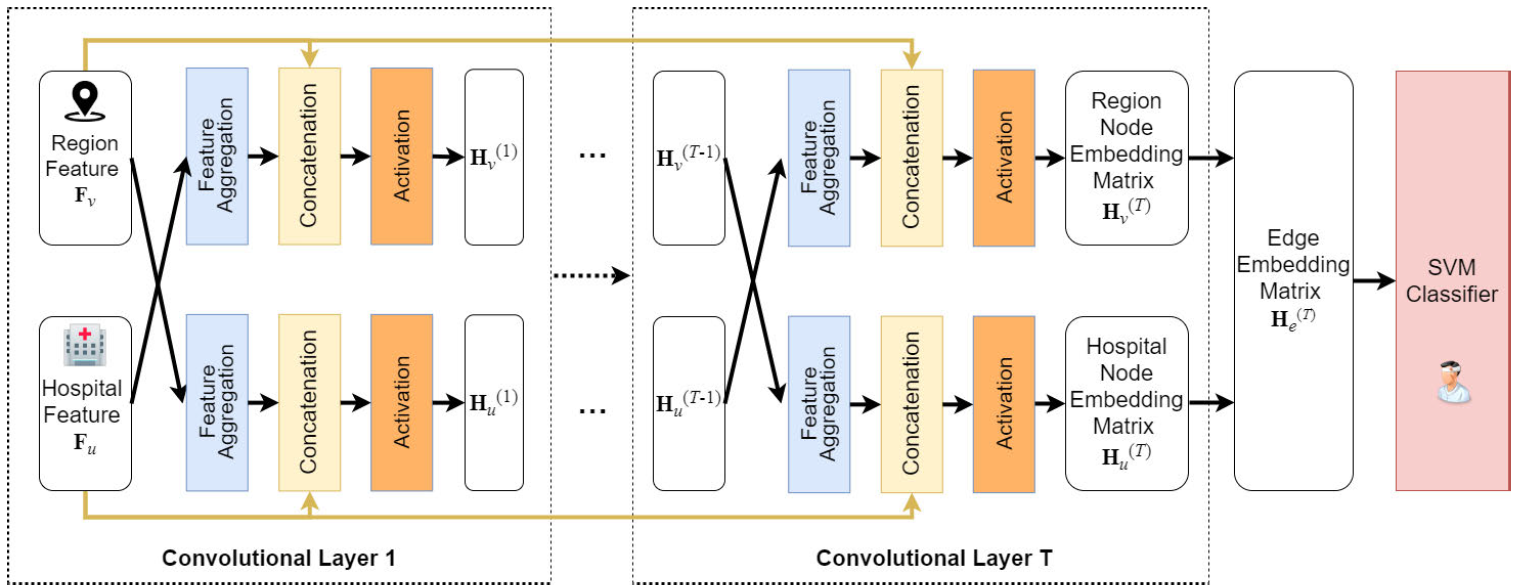
Bipartite graph convolutional network

A customized GNN architecture that considers the structural characteristics of bipartite graphs in its aggregation scheme

Haoyi Xiu, Xin Liu, Weimin Wang, Kyoung-Sook Kim, Takayuki Shinohara, Qiong Chang, and Masashi Matsuoka

CIKM 2020, pp.685-694

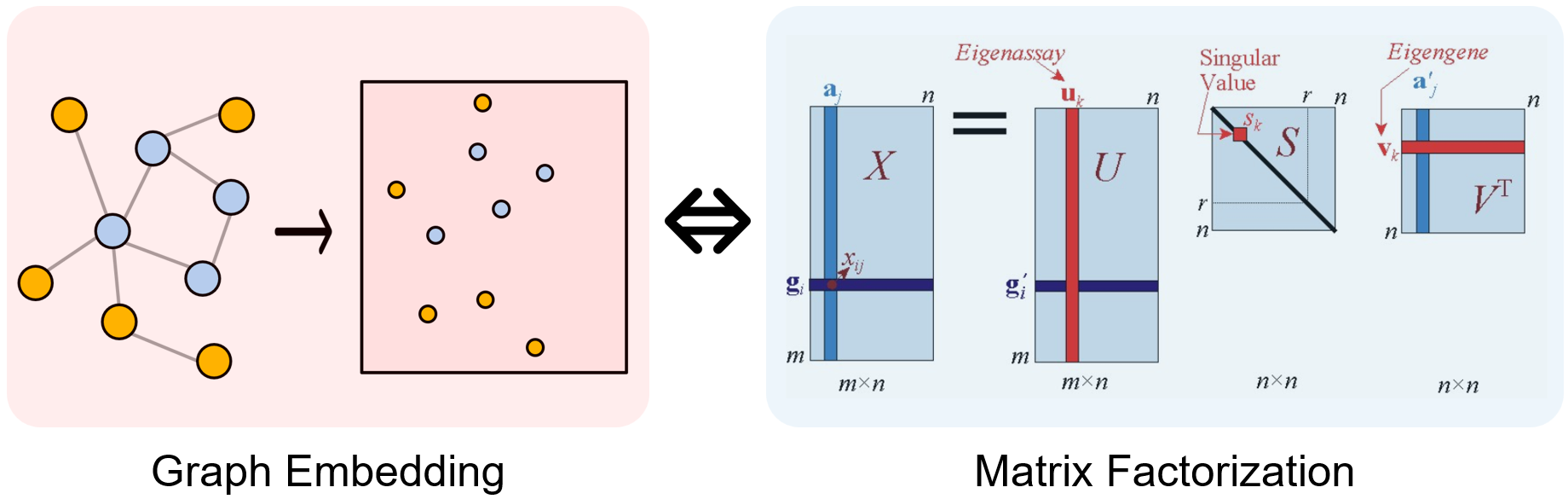
Graph embedding by factorizing the global resource allocation matrix

A generalized matrix factorization approach that introduces a tuning parameter to balance two complementary objectives of graph embedding

Haoyi Xiu, Xin Liu, Weimin Wang, Kyoung-Sook Kim, Takayuki Shinohara, Qiong Chang, and Masashi Matsuoka

CIKM 2020, pp.685-694

Back to top