TAIKI KATAYAMA RESEARCH WEB
Cultivating the unseen Uncovering new rules of life

National Institute of Advanced Industrial Science and Technology
Geological Survey of Japan, Research Institute for Geo-Resources and Environment
NEWS
PREPRINT
Our research has been released as a preprint
AWARD
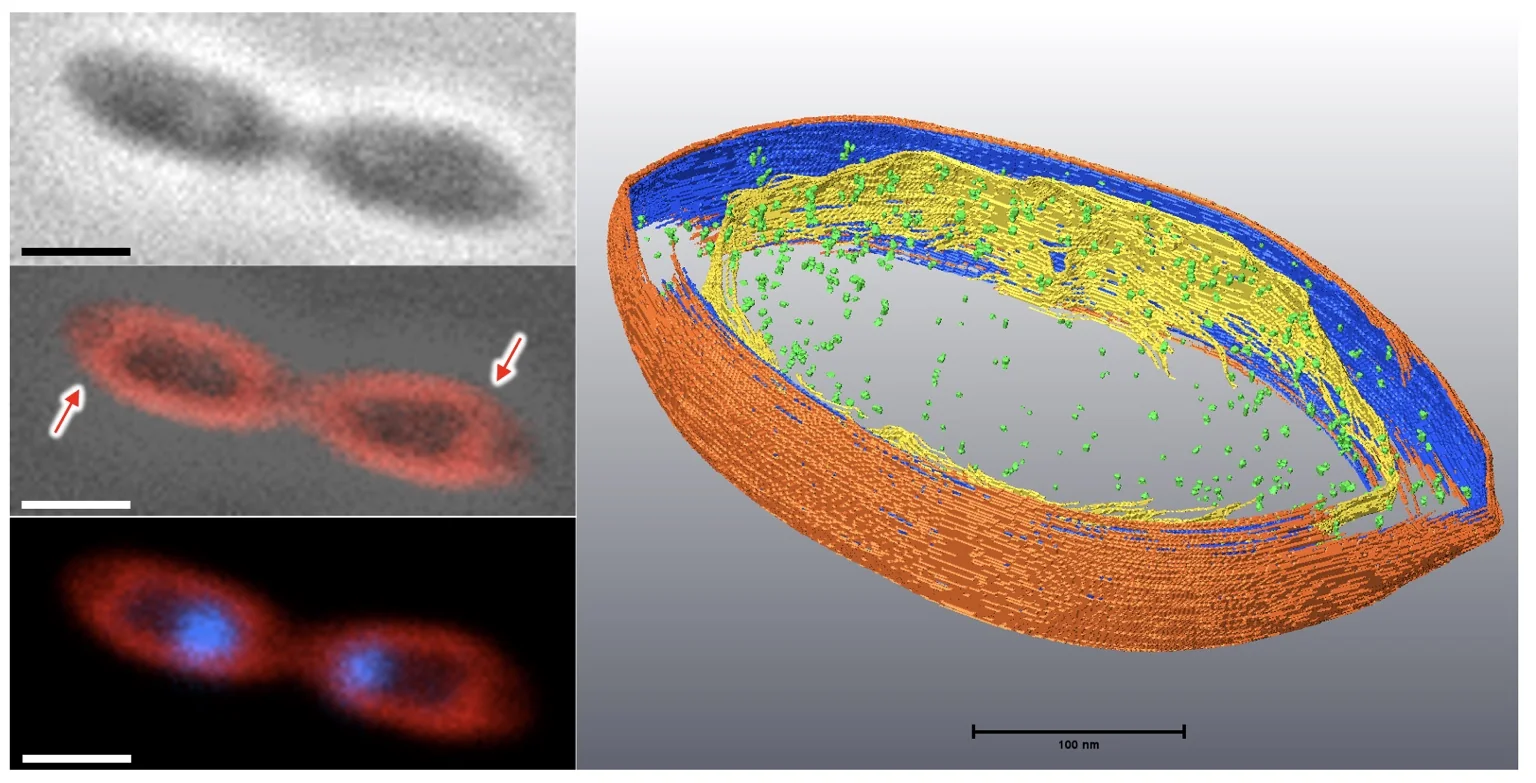
The study reveals the remarkable parasitic strategy of an ectoparasitic bacterium isolated after nine years of cultivation
Open link ↗I received the Encouragement Award from the Japanese Society of Microbial Ecology
I will deliver the award lecture at the 39th annual meeting in Kochi
Open conference website ↗
PROFILE
Taiki KatayamaTaiki Katayama, Ph.D.
National Institute of Advanced Industrial Science and Technology (AIST), Geological Survey of Japan
Research Institute for Geo-Resources and Environment, Biogeoscience Research Group
Senior Principal Researcher
FEATURED DISCOVERIES
New prokaryotic life strategies revealed by cultivation
ENERGY & ENVIRONMENT
From biological discovery to energy and environmental challenges
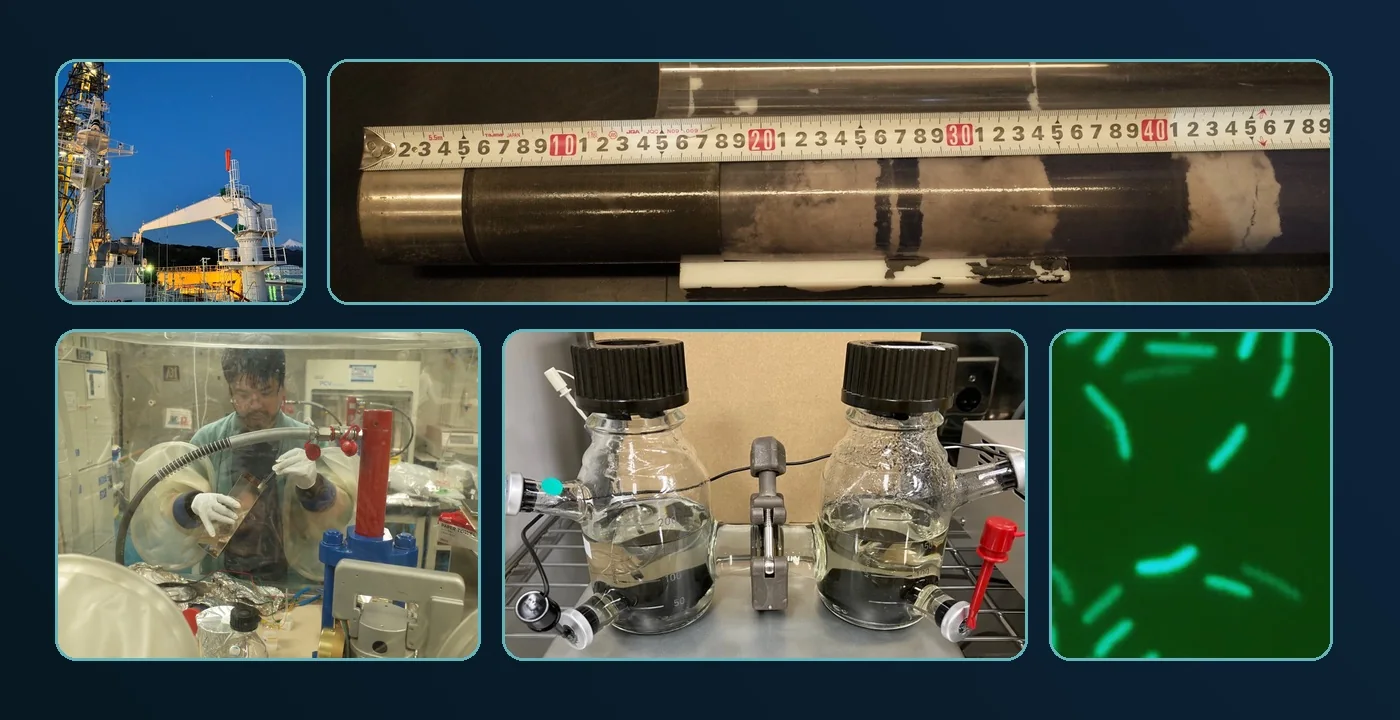
How is methane produced beneath the seafloor
From methane hydrate-bearing sediments in the eastern Nankai Trough, we cultivated diverse methanogenic archaea through experiments lasting up to about five years. Using strains with distinct substrate preferences as model organisms, we investigate temperature controls, metabolic traits, and adaptation to high-pressure conditions to understand subseafloor methane formation, methane-hydrate genesis, and carbon cycling.
AIST press release ↗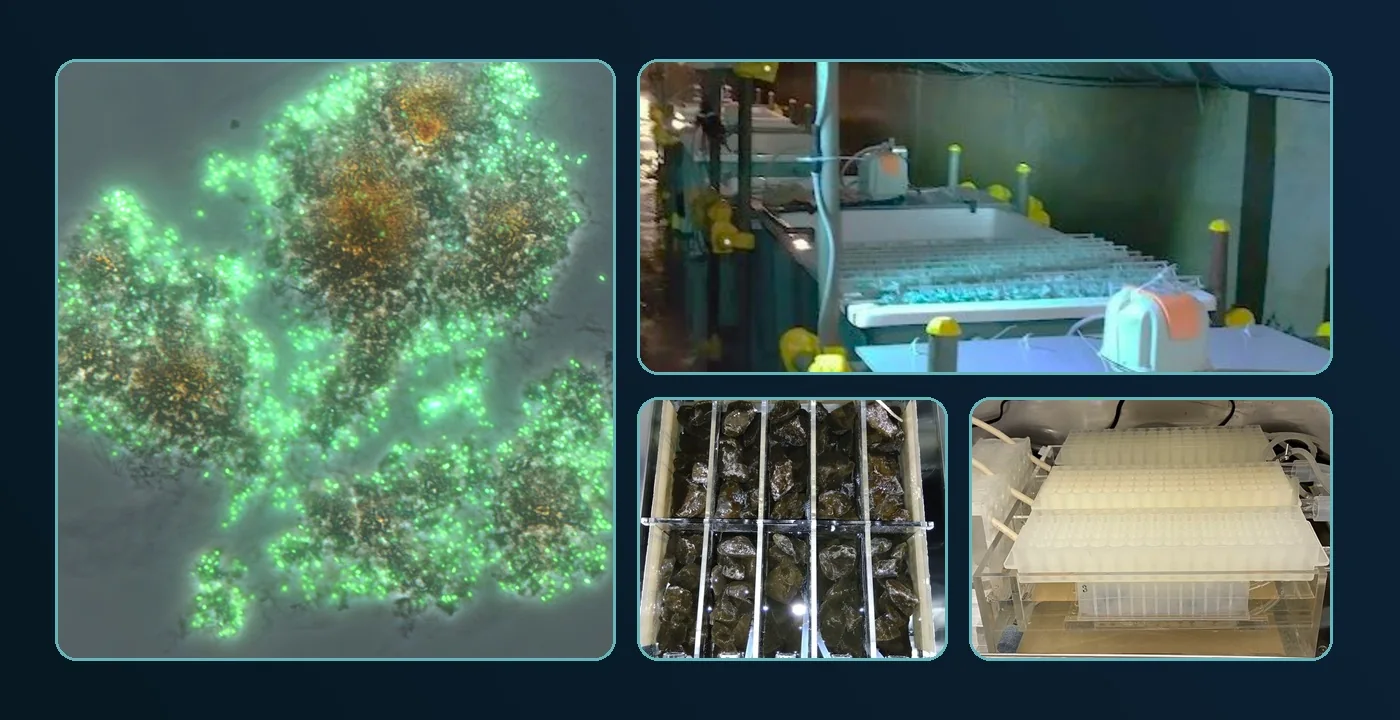
Harnessing microorganisms to remove manganese from mine drainage
We develop low-energy biological treatment for manganese-bearing mine drainage by harnessing microorganisms that oxidize and immobilize Mn(II). At pilot scale, more than 98% manganese removal was achieved without adding organic substrates, and microbial populations potentially coupling extracellular electron transfer to carbon fixation were implicated. We are also attempting to cultivate novel chemolithoautotrophic manganese-oxidizing bacteria to resolve their physiology and function.
AIST press release ↗Selected publications
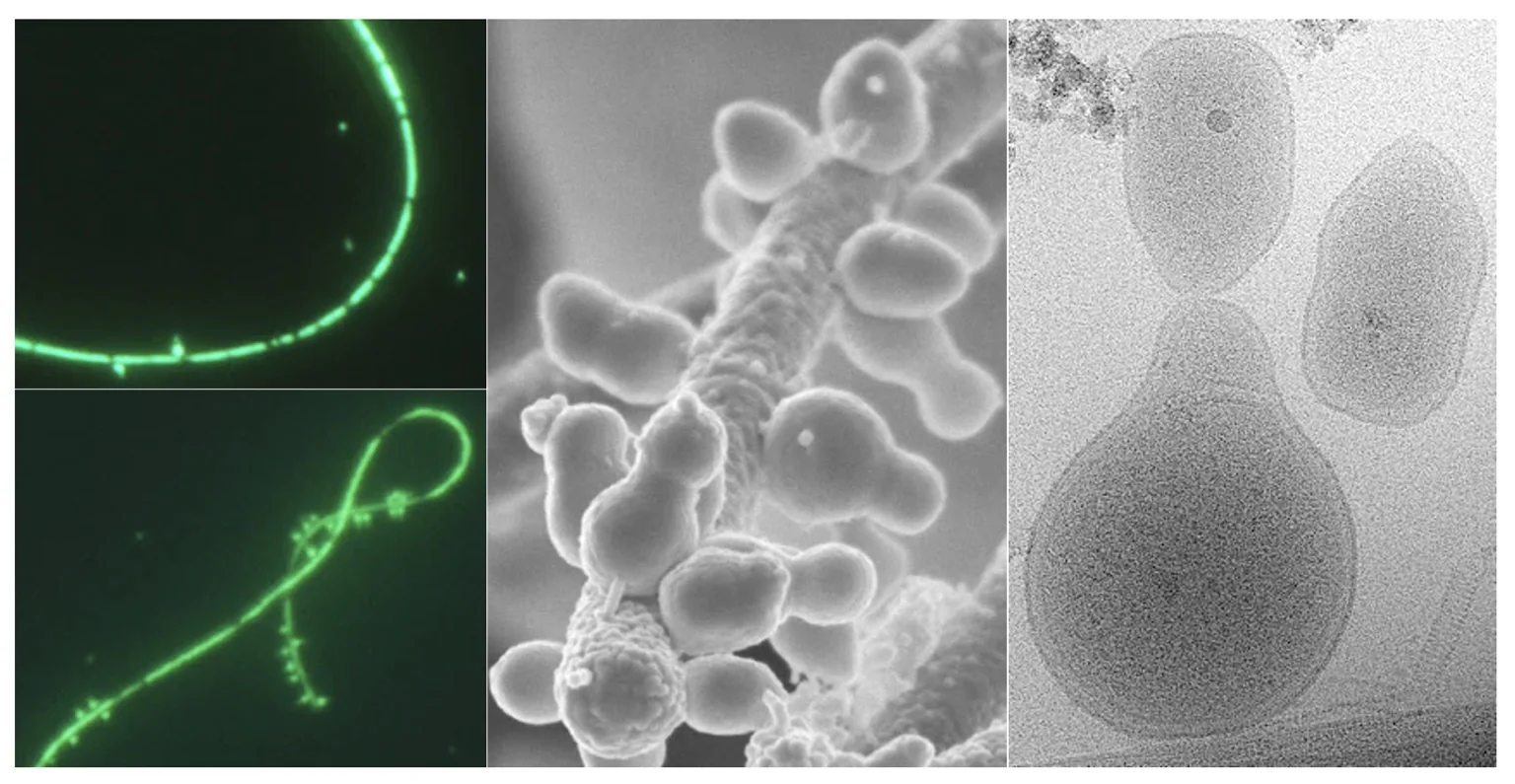
A Marine Group A isolate relies on other growing bacteria for cell wall formation
Nature Microbiology 9 1954–1963
Cultivation and biogeochemical analyses reveal insights into methanogenesis in deep subseafloor sediment at a biogenic gas hydrate site
The ISME Journal 16 1464–1472
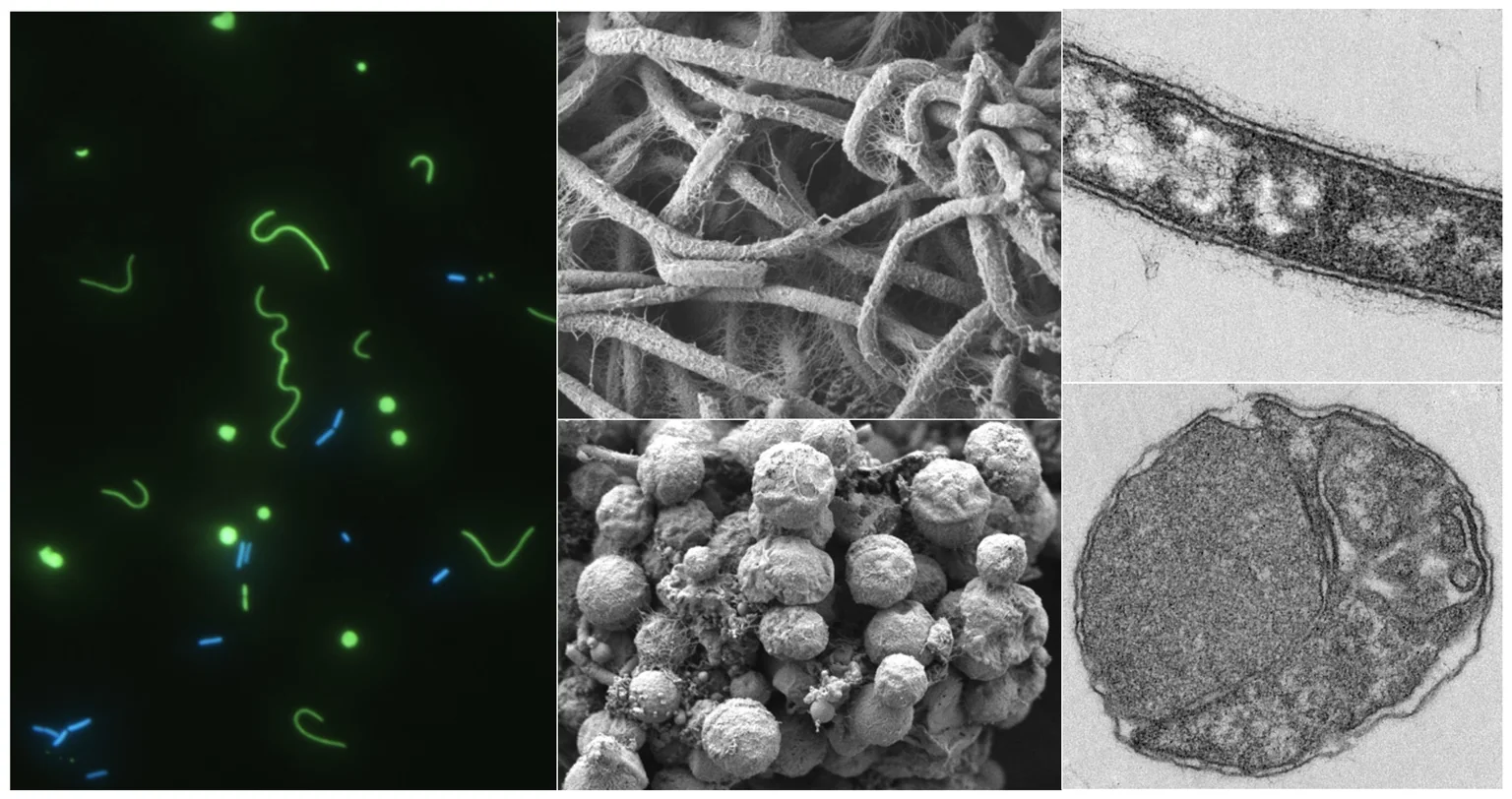
Isolation of a member of the candidate phylum Atribacteria reveals a unique cell membrane structure
Nature Communications 11 6381