
6G MATERIALS
Low-permittivity, low-loss materials
Polymer–ceramic composites and porous structures for millimeter-wave applications.
I study polymer composites, porous structures, and nanocarbon materials for next-generation communications and sustainable manufacturing.
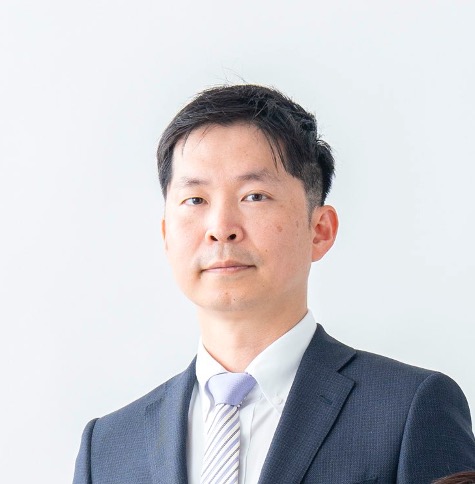
Polymer–ceramic composites and porous structures for millimeter-wave applications.
Structure and processing of renewable polymers toward practical applications.
Controlling dispersion and conductive networks to achieve useful material properties.
Connecting measurement, molding, and data analysis to improve materials development.
Low relative permittivity and dielectric loss through composite and pore design.
Effects of particle size and structure on polymer composite dielectric properties.
At SHyMaP-BIL on the Yamagata University Yonezawa campus, AIST works with the university, local companies, and the region to translate materials research into manufacturing practice. Theme 2 includes in-line assessment of recycled plastics and investigation of appearance defects in CNT composite injection molding.
Research Group Leader, Functional Materials Processing Research Group, Research Institute for Chemical Process Technology, AIST.
Materials Integrity Research Group, Research Institute for Functional Chemicals.
Plastic Material Recycling Research Team, Research Center for Circular Technology Implementation.
For research or collaboration inquiries, please use the form below.
Open inquiry form ↗